
How to Sleep Better Naturally: Breathwork, Sound Baths, and Healthy Night Habits
Sleeping well doesn’t always come easily. For many people, sleep becomes difficult at different stages of life, and the reasons vary. Sometimes it’s physical, like chronic pain, muscle tension, digestive discomfort, hormonal changes, or recovering from illness. Other times it’s mental and emotional, such as stress, anxiety, overthinking, emotional overload, burnout, or constantly scrolling before bed.
Poor sleep doesn’t just affect the night. It spills into the day. You feel unfocused, easily irritated, low on energy, and more stressed. Over time, bad sleep can lead to fatigue, weakened immunity, body pain, and sickness, which then makes sleeping even harder. It becomes a cycle.
The good news is that better sleep doesn’t always require medication or extreme routines. Small, gentle changes can make a real difference. In this blog, I’ll share natural ways to improve sleep quality. You don’t need to try everything. Pick what feels right for you. Experiment slowly, as sleep is personal.
Natural Ways to Improve Sleep Quality
Sound Baths
Sound baths are one of my favorite tools for sleep and something I deeply recommend. Instruments like Tibetan singing bowls create soothing vibrations that calm the nervous system, reduce mental chatter, and release physical tension. These sounds guide the brain into relaxed states like Alpha and Theta, which are ideal for rest and sleep. At Sahra Healings, you’ll find free organic sound baths you can listen to daily, with new ones added regularly.

Breathwork before sleep
One of the simplest and most effective tools is breathwork. A great technique before bed is the 4–7–8 breathing method. Inhale through the nose for four seconds, hold for seven, and exhale slowly for eight. Repeat this for three to five minutes while lying in bed. Long exhales signal the nervous system that it’s safe to relax, helping slow the heart rate, reduce stress, and prepare the body for sleep.
Use your bed only for sleep
Your brain learns through repetition. If you work, eat, scroll, or watch movies in bed, your mind stops associating the bed with rest. Try to keep your bed as a space only for sleep and intimacy. Over time, simply seeing your bed will signal your nervous system that it’s time to rest.
Making your bed every morning
This one sounds simple, but it matters. Making your bed creates a sense of order and calm. When you return at night, the bed feels inviting and safe. Studies have shown that people who make their beds regularly tend to sleep better, partly because the environment feels cleaner and more intentional.

Earplugs
Earplugs can be a simple but powerful support for better sleep, especially if you live in a noisy area or are a light sleeper. They help soften sudden sounds like traffic, voices, or movement during the night, allowing your nervous system to stay relaxed instead of constantly waking up. Using earplugs can also create a sense of safety and stillness, making it easier for the body to fully rest. Choose comfortable, high-quality earplugs that don’t put pressure on the ears, and give yourself a few nights to adjust. For many people, they become an essential part of a calm and uninterrupted sleep routine.Using an Eye Mask
Eye masks can take a little time to get used to, but once they become part of your routine, they’re hard to give up. They help in two ways. First, the moment you put one on, your brain begins to associate it with sleep. Second, they create full darkness, which supports natural melatonin production. This is especially helpful for travelers, light sleepers, or anyone exposed to artificial light at night.

Diffusers and Essential Oils
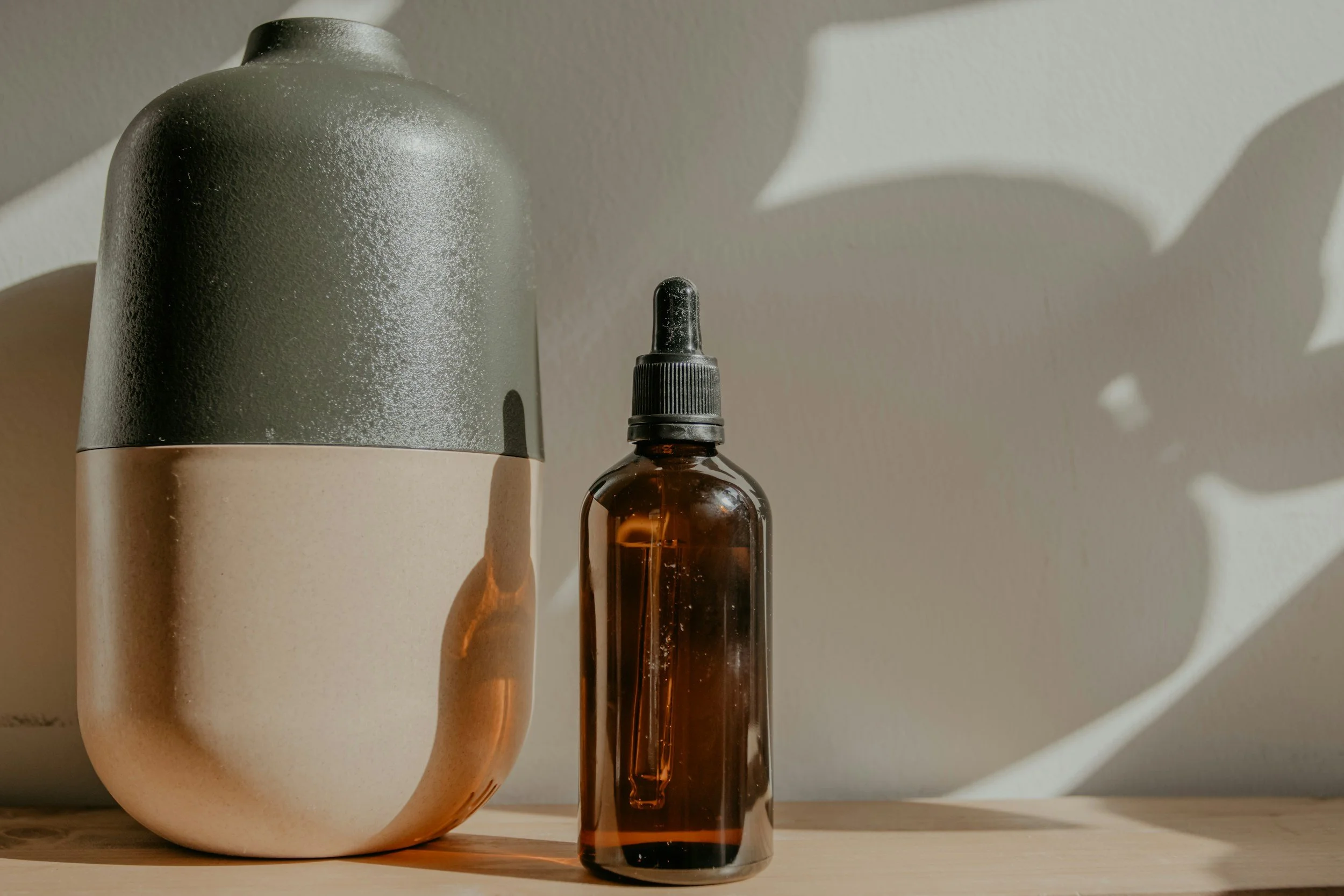
Aromatherapy can be very supportive before sleep. Essential oils like lavender, chamomile, and cedarwood are known to calm the nervous system and reduce anxiety. Using a diffuser creates a peaceful atmosphere that tells your body it’s time to wind down. Always choose organic, high-quality oils so you’re not breathing in synthetic chemicals while you sleep.
Using a Humidifier
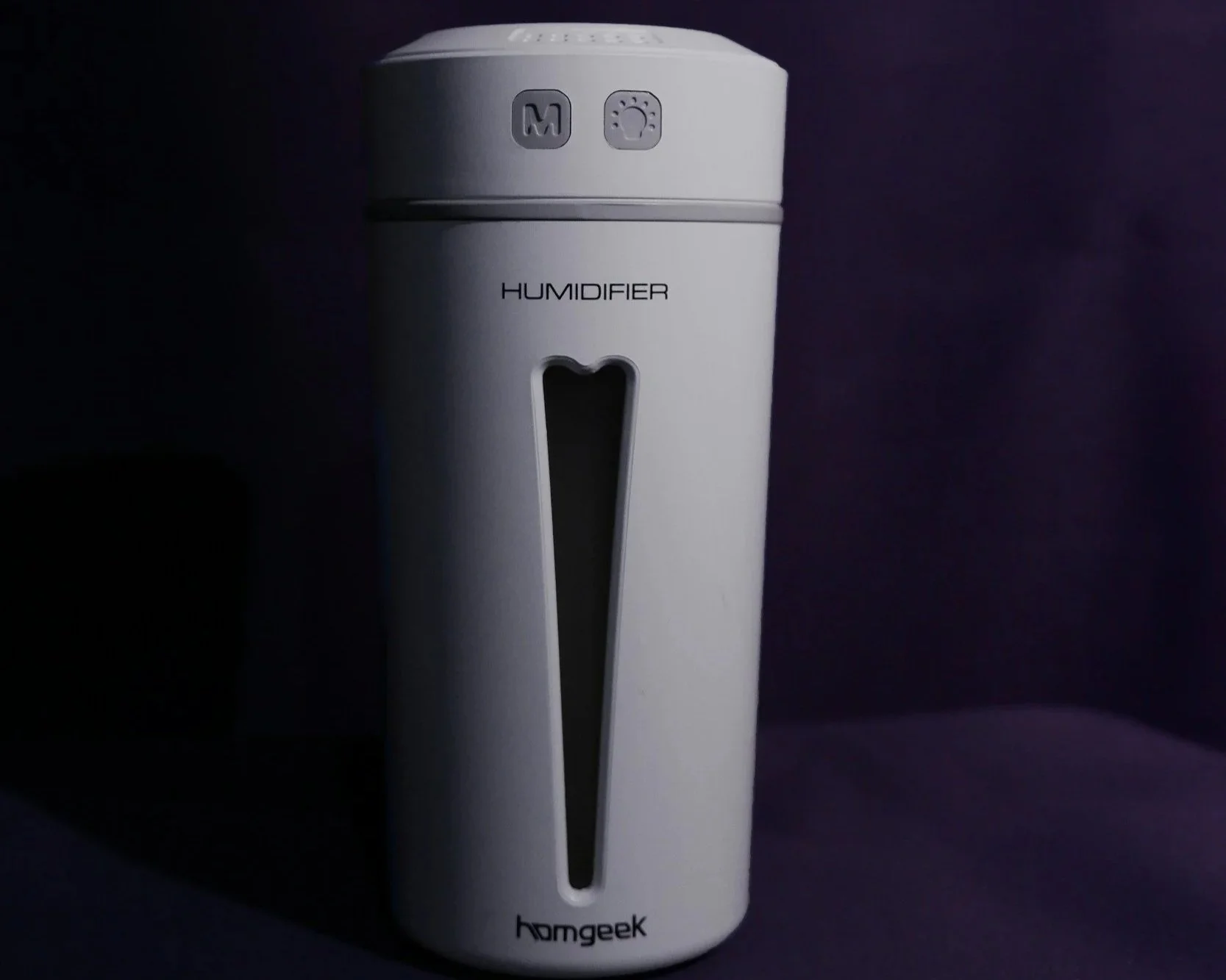
Dry air can irritate the nose, throat, and skin, making sleep uncomfortable. A humidifier adds moisture to the air, helping with congestion, allergies, snoring, and dry sinuses. Many humidifiers also produce a soft background sound, which can feel soothing and help you sleep more deeply.
White Noise Machines
White noise creates a consistent sound that masks sudden noises like traffic or voices. This helps prevent the brain from waking up during the night. It may take some time to adjust, but many people find it incredibly helpful, especially in noisy environments or while traveling. There are different sizes and shapes, which makes some super easy to travel with.
Organic chamomile tea
Chamomile tea naturally relaxes the body and mind. It can calm anxious thoughts and ease tension, making it easier to fall asleep. The ritual itself matters too. A warm cup of tea signals slowing down. Just remember to leave a little time between drinking it and going to bed so you’re not waking up during the night.

Himalayan salt lamps
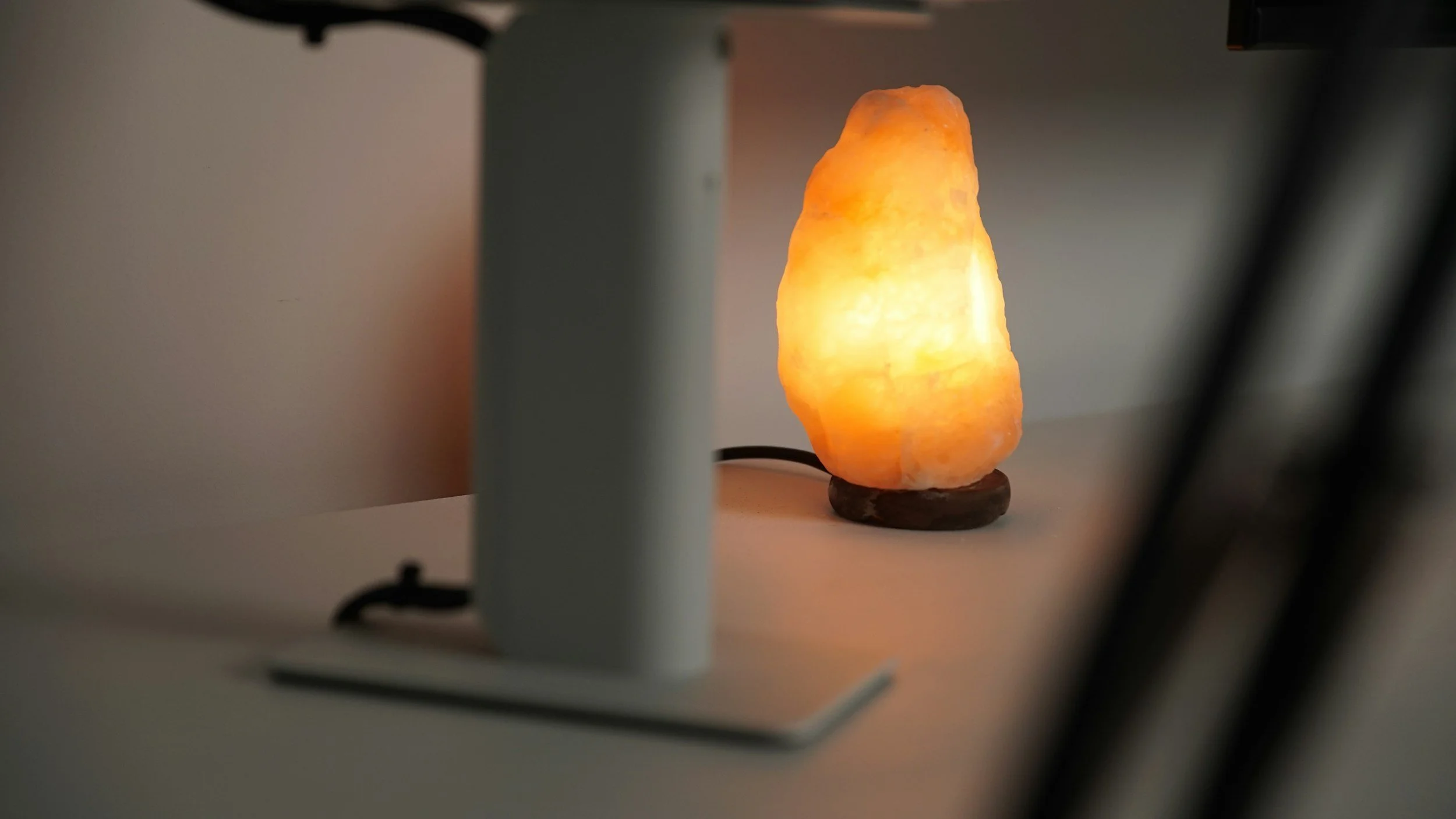
Salt lamps give off a warm, soft orange glow that feels grounding and calming. They reduce harsh lighting in the evening and help signal to the brain that the day is ending. Even if the effect is subtle, the atmosphere they create can support relaxation and better sleep.
Meditation
Meditation is one of the most powerful tools for better sleep, especially long-term. It calms the nervous system, lowers stress hormones, slows the heart rate, and quiets racing thoughts. Meditation helps shift the body from fight-or-flight into rest-and-digest, making it easier to fall asleep and stay asleep. This approach is at the heart of my course, Meditation as a Lifestyle, where meditation becomes something you live with, not just something you do before bed.

Final Thoughts
If you’re dealing with insomnia, these practices can be especially supportive. In many cases, insomnia isn’t a lack of sleep, but a nervous system that hasn’t learned how to slow down. Chronic stress, mental overload, and constant stimulation keep the body in an alert state, making rest feel out of reach. The tools shared here help calm the nervous system, reduce mental noise, and create a consistent sleep rhythm over time, which is essential for improving insomnia naturally. Just as important is minimizing mental disturbance before bed, especially screen use. Scrolling, notifications, and blue light keep the brain active and scattered, even when the body feels tired. Try to step away from your phone at least 30 minutes before sleep and replace it with something grounding like breathwork, sound, or stillness. With consistency, these small changes can help rebuild a healthier relationship with sleep and make falling asleep feel more natural again.
There’s no single perfect solution for sleep. Everyone is different. These are gentle options you can explore and combine in a way that feels natural to you. Better sleep supports a healthier body, a calmer mind, and a more balanced life.
Sleep well. Your body and mind deserve it.
