
Sage Through Time: Ancient Wisdom, Everyday Healing, and How to Use It Today
Sage is not a trend. It’s one of those plants that has quietly followed humanity for thousands of years, across cultures, continents, and beliefs. One of its earliest recorded uses goes back to Ancient Egypt, one of the greatest civilizations in history. Egyptians valued sage for fertility support, general healing, and purification rituals, and yes, they even used it during embalming practices for pharaohs, believing it helped preserve and protect the body for the afterlife.
Later on, the Greeks and Romans held sage in equally high regard. Greek physicians used it for wounds, snakebites, and healing the body from within. The Romans considered sage a sacred herb, using it for purification, digestion, memory support, and physical recovery. Across the ocean, Indigenous peoples of the Americas have used sage for thousands of years in ceremonies, healing rituals, and spiritual practices, passing this knowledge through generations with deep respect for the plant and the land.
Today, sage is still used in many of the same ways, just expressed differently depending on culture and region. In parts of Latin America, sage continues to be burned in ceremonies rooted in Indigenous traditions. In the United States and Europe, it’s often used before sound baths, meditation, yoga, or healing sessions, inspired by Native beliefs around cleansing and intention, ideally practiced with awareness, respect, and acknowledgment of its origins. In the Middle East, sage is commonly consumed as tea to support digestion, fertility, and hormonal balance. In Asia, it appears in traditional medicine, while in parts of Africa, sage is boiled to help with colds, fevers, and respiratory support.
This wide, timeless use tells us something important. Sage works because it supports the body and the mind gently and naturally.
Ways to Use Sage and Its Benefits
Burning sage
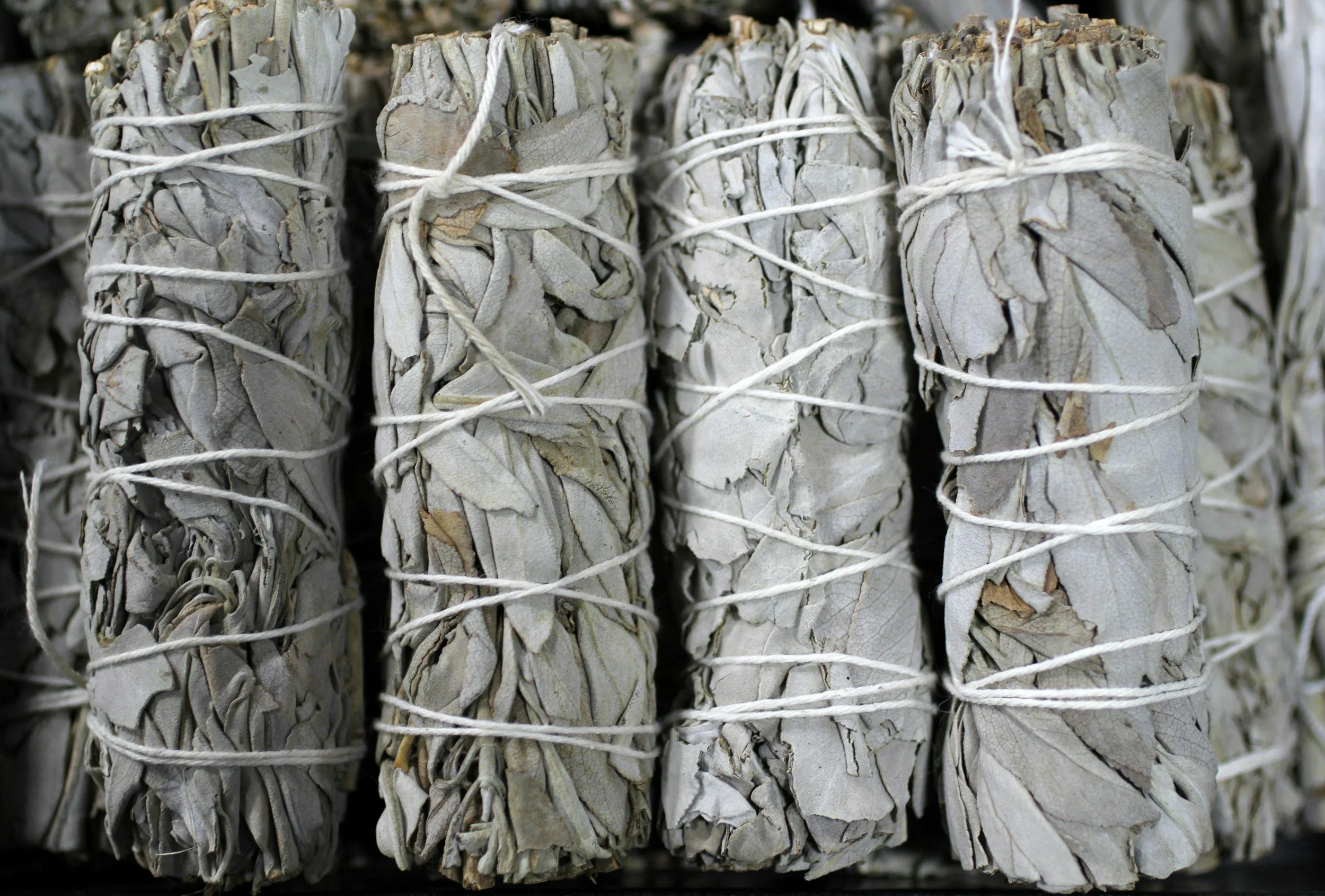
Burning sage is often used to cleanse a space, reset energy, and create a calm atmosphere. It can help clear stagnant energy, improve focus, and support emotional grounding. While it is smoke, and that’s worth being mindful of, many people, myself included, choose to use it intentionally because the benefits often outweigh the downsides when done consciously, and occasionally it also depends on one person to another.
Sage in tea
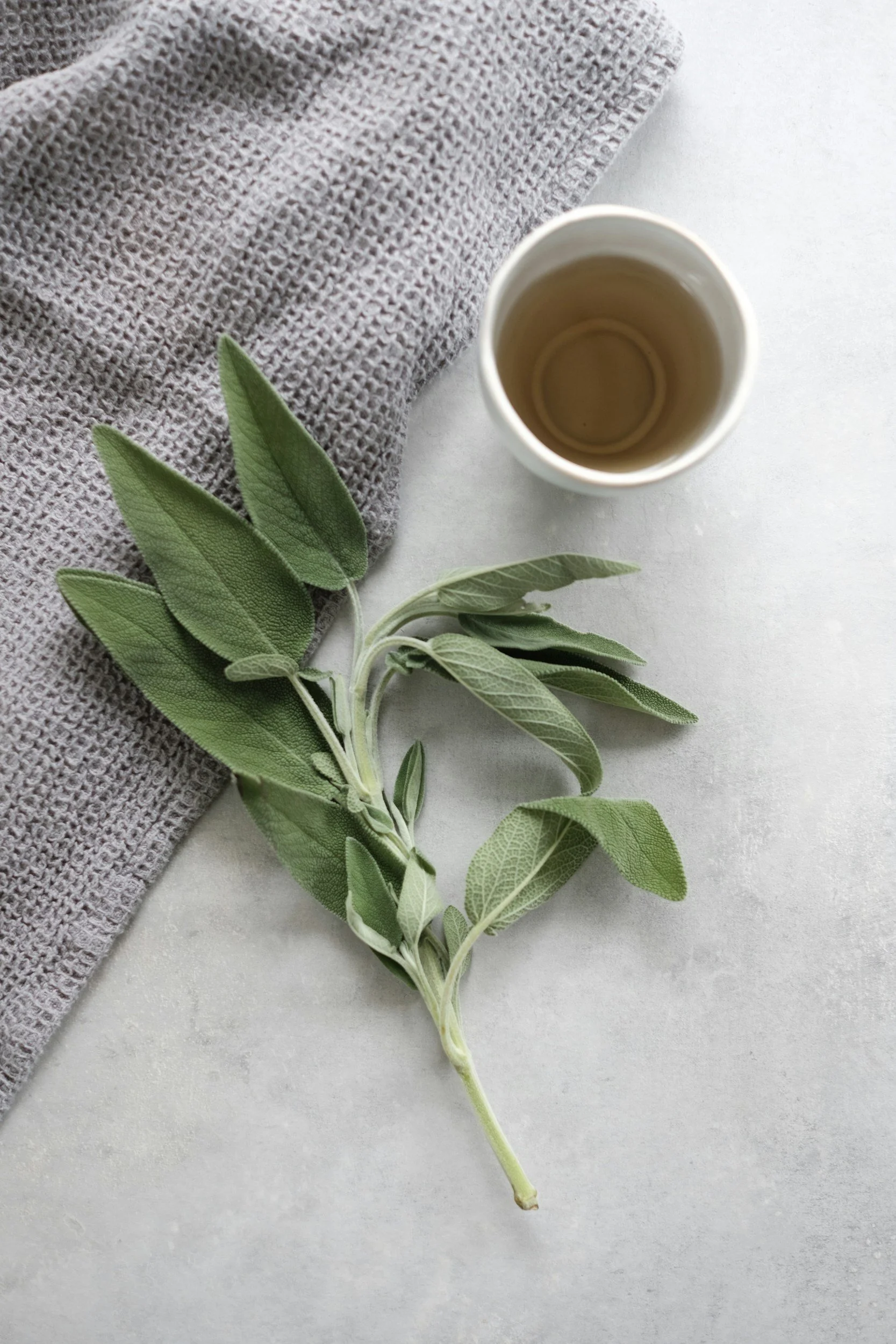
Mixing sage with tea supports digestion, reduces bloating, soothes the throat, and can help regulate hormones. It’s also known to support memory and mental clarity, making it a great addition to slower mornings or evenings.
Boiled sage to drink
Boiling sage and drinking the water is commonly used to support immunity, relieve cold symptoms, reduce inflammation, and ease stomach discomfort. It’s simple, grounding, and deeply nourishing.
Boiled sage for inhalation
Inhaling steam from boiled sage can help open the sinuses, clear congestion, calm the nervous system, and support respiratory health. It’s especially helpful during seasonal changes or stressful periods.
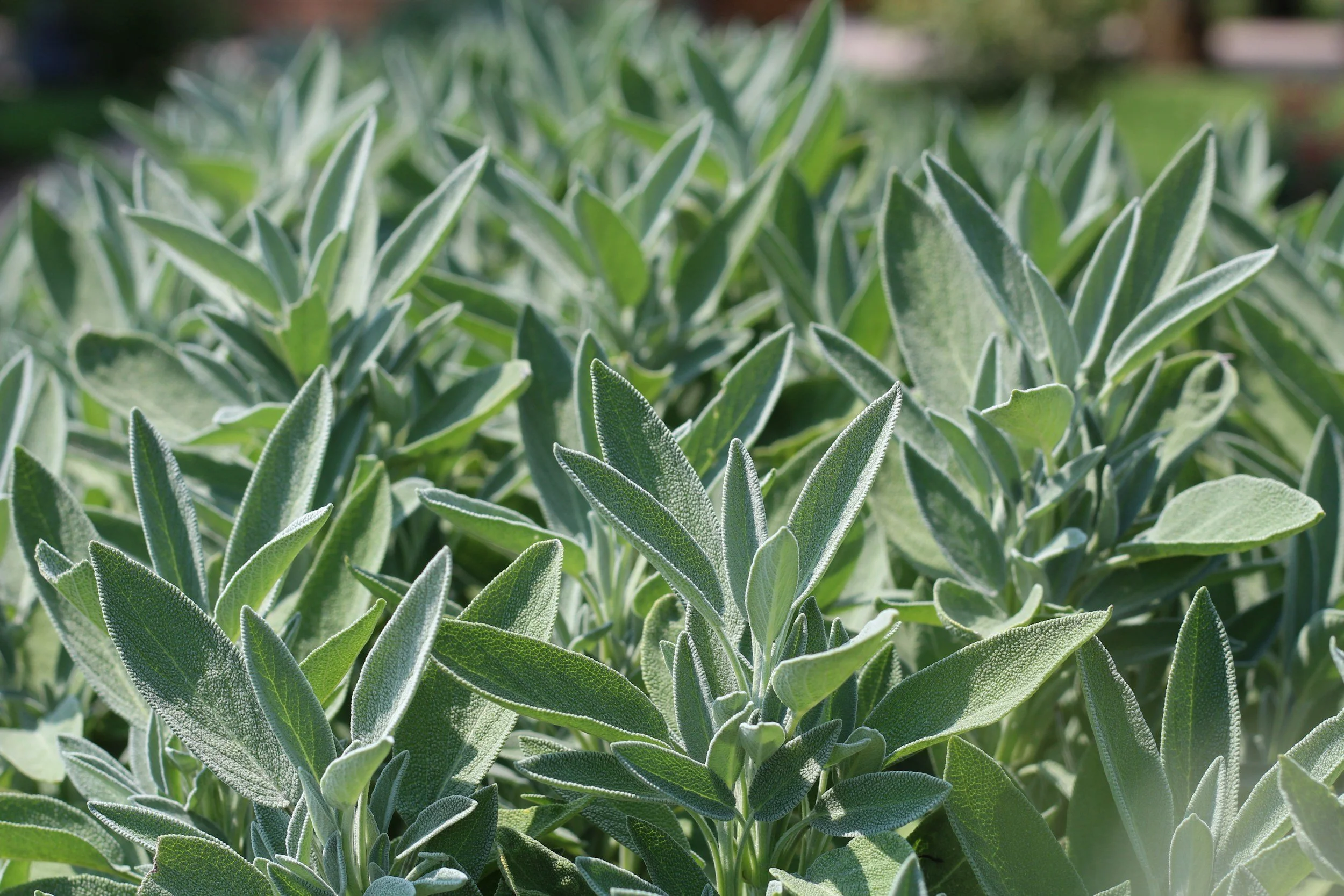
One of the beautiful things about sage is how easy it is to grow. It doesn’t need much maintenance, which makes it accessible to almost anyone. One of my favorite ways to use sage is to boil it on the stove. You inhale the steam, enjoy the earthy aroma filling your space, drink the water once it cools a little, then dry the same stems and leaves over a few days to burn later. One plant, three uses. Simple, sustainable, intentional.
You can also add sage stems to your water bottle with cold water. It’s incredibly refreshing, especially while hiking, biking, or traveling. This helps support hydration, digestion, and gentle detox while giving your water a subtle, grounding flavor. Sage can also be infused into oil for food or vinegar for culinary and wellness uses.
A Sacred Root in the Holy Land
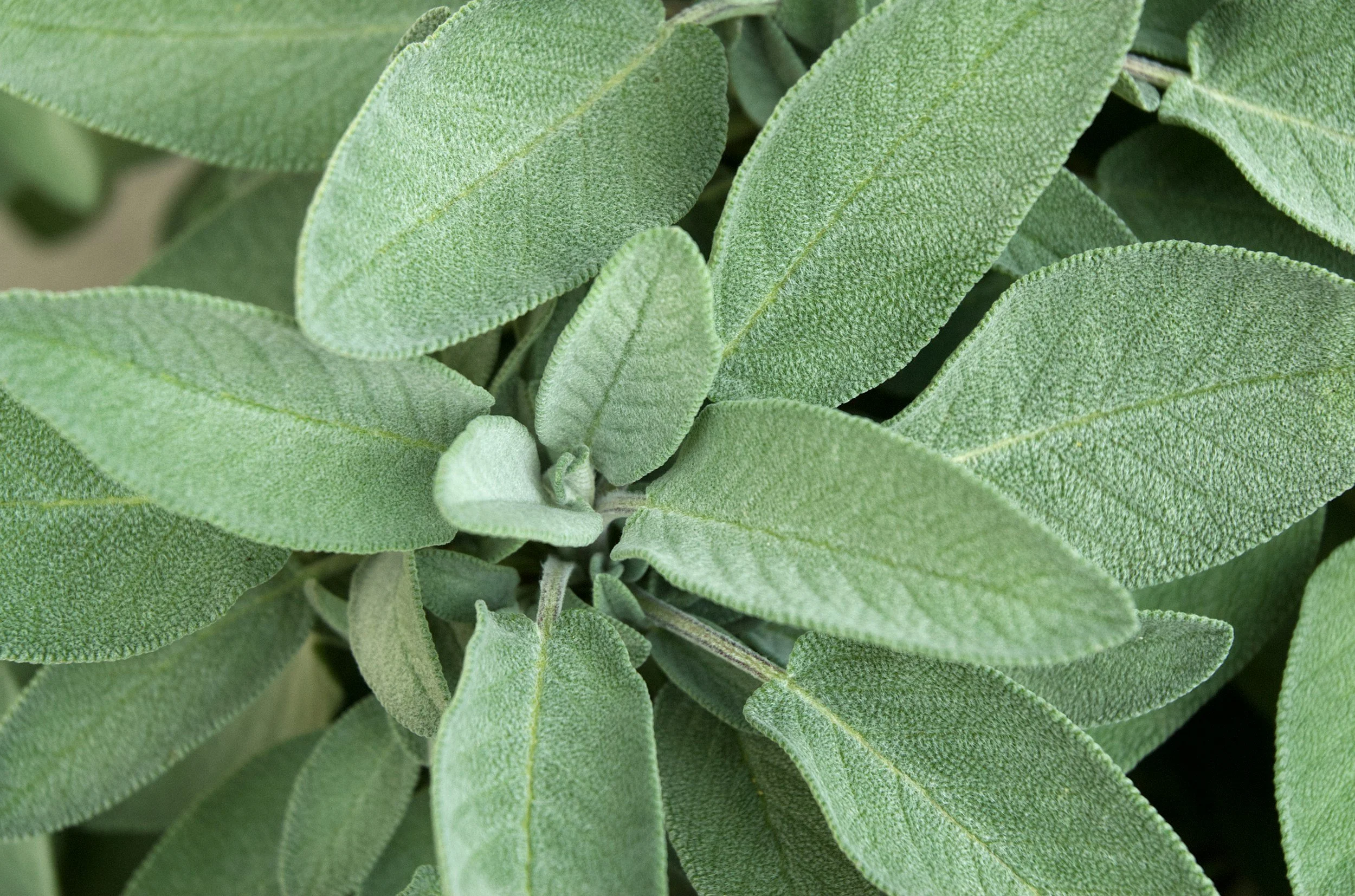
Here’s a piece of knowledge I always find grounding. Sage is deeply rooted in the Holy Land. In Arabic, sage is called Maryamiya, named after the Virgin Mary, whose name in Arabic is Maryam. According to Middle Eastern tradition, during the escape of the Holy Family to Egypt, Mary became exhausted and rested near a sage bush. She broke off a branch and wiped her face with the leaves, using their aroma to soothe and calm herself. From that moment, the plant became associated with her name and healing presence.
Sage has survived thousands of years not by accident, but because it continues to support the body, mind, and spirit in simple, accessible ways. If there’s one takeaway, it’s this: try to use sage more often, reuse it in different forms, and keep it part of your daily lifestyle. And if you’re not growing it yourself, always choose organic sage, so what you’re taking in stays as clean and supportive as possible.
Sometimes, the most powerful medicine is the one that’s been with us all along.
